AI agents
OpenClaw Went From Zero to 388,000 Stars. Then Anthropic Stepped In, and Everything Fell Apart.
One developer's free AI assistant became the fastest-growing project in GitHub history. Then Anthropic cut the subscription cord on April 4, the security holes piled up, and search interest fell 90 percent. What actually happened to OpenClaw, and the lesson about switches I keep coming back to.
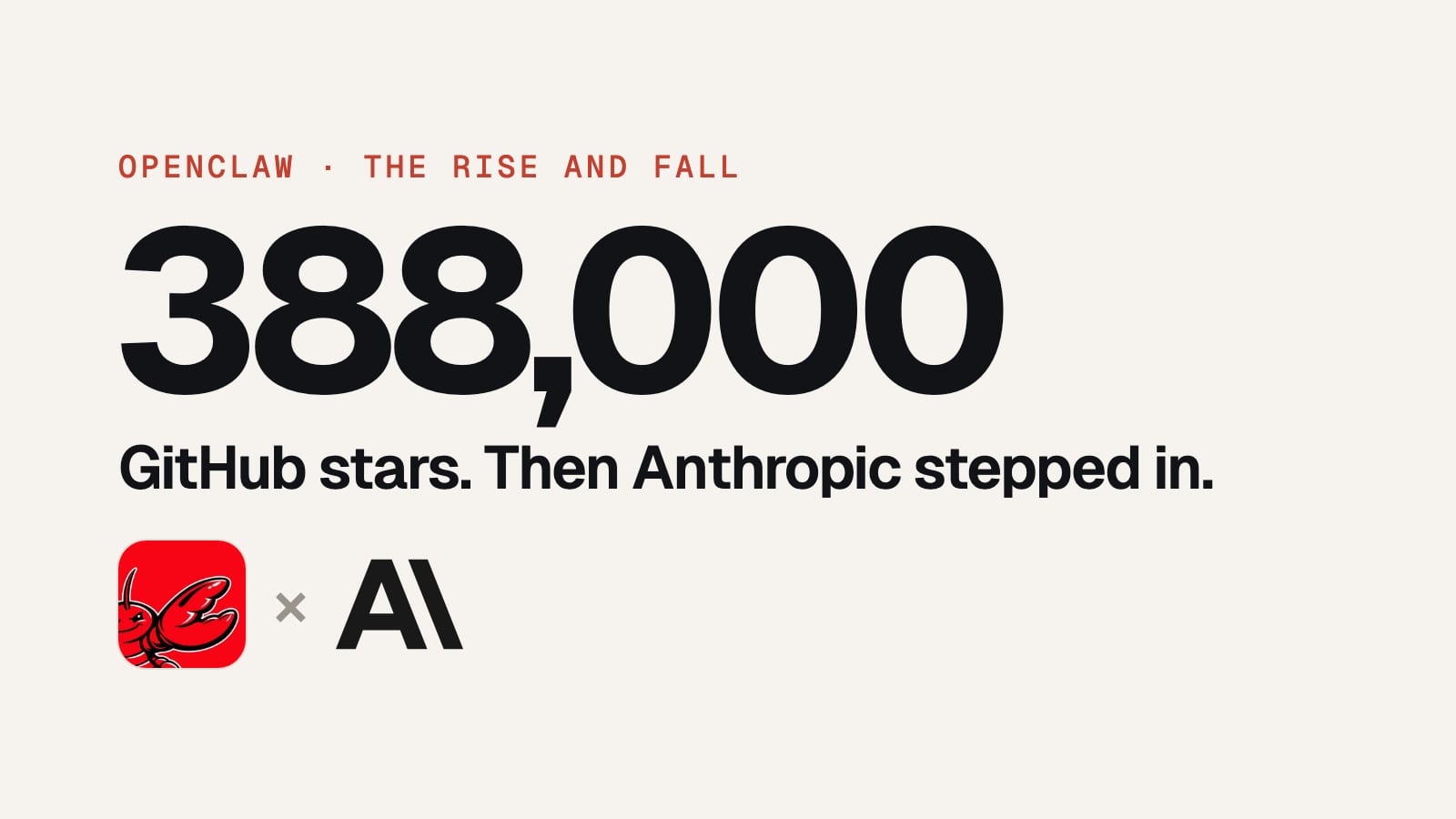
Mark Zuckerberg messaged this guy personally on WhatsApp, and he still said no, because he wanted his tool to stay free. Today, you can literally watch that tool dying on Google Trends. That chart above is the search term "openclaw" over the past year. And I've got skin in this story, because I've been running the alternative the whole time.
Here's the whole arc in one breath: one developer shipped a free, self-hosted AI assistant in November 2025, it became the fastest-growing project in GitHub history, Meta and OpenAI fought over its creator, and then on 4 April its main fuel line, the Claude subscription, got cut off with one day's notice. Add a run of ugly security holes and a store full of malicious add-ons, and search interest is down about 90 percent from its March peak. The code still ships daily. The trust is what died.
Now the details, because the details are where the lesson lives.
Who built OpenClaw, and how fast did it rise?
One developer. Peter Steinberger, an Austrian who had already built and sold a software company, shipped the first prototype in November 2025 as a side project. It was called Clawdbot back then, got renamed twice in a single January week after Anthropic complained the name sat too close to Claude, and settled on OpenClaw. Keep that detail. It wasn't the last time Anthropic shaped this story.
The tool itself is a personal AI assistant you host yourself and talk to through the chat apps you already use, WhatsApp, Telegram, Slack, Discord, Signal, even iMessage. An AI employee living inside your chat apps is the honest way I'd describe it to a business owner. It reads your email, manages your calendar, runs tasks around the clock on your own machine.
And it blew up like nothing before it. React took a decade to reach 250,000 GitHub stars. OpenClaw passed that in about 60 days, overtook the Linux kernel on the way, and sits just under 390,000 stars as I write this. Star trackers call it the fastest-growing repository in GitHub history.
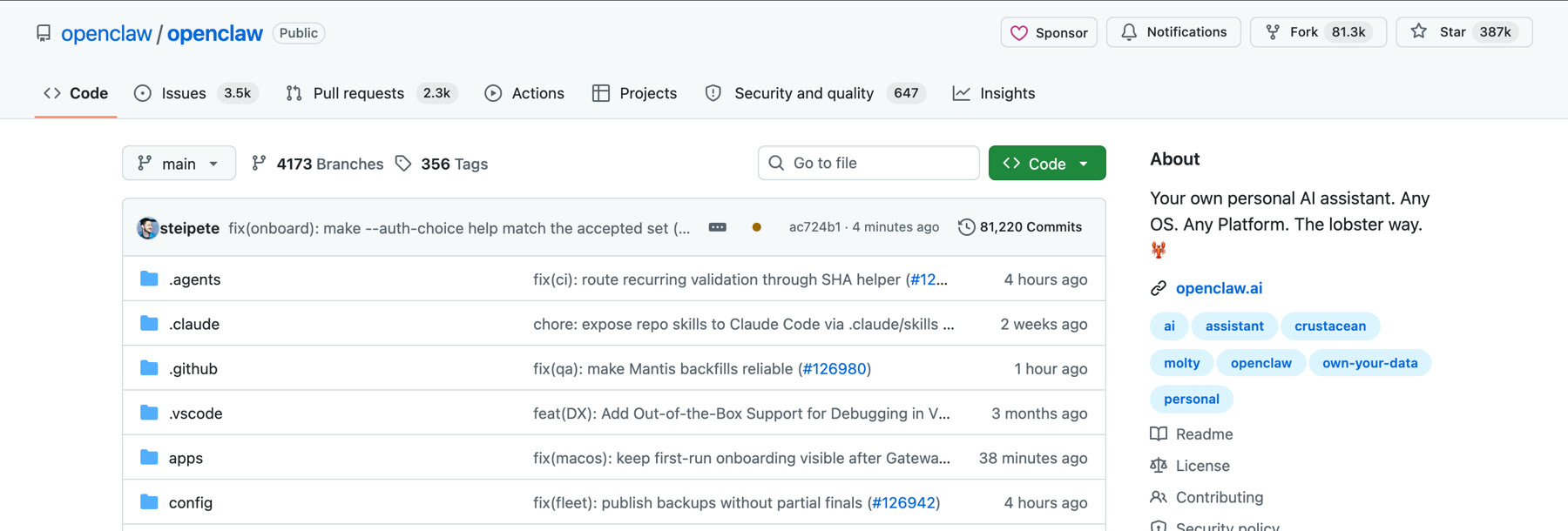
Then the giants came shopping. Zuckerberg reached out to Steinberger personally over WhatsApp, and Meta reportedly offered more money than OpenAI did. Steinberger, who told Decrypt he was covering the project's US$10,000 to 20,000 monthly running costs out of his own pocket, said it plainly: "I don't do this for the money." His one condition for any deal was that the project stays open source. He joined OpenAI in February, and OpenClaw moved into an independent foundation with around 2,000 contributors.
A free tool, a creator who turned down the biggest wallet in tech to keep it free, and the fastest growth curve GitHub has ever seen. So what went wrong?
What actually happened on April 4?
The tool was free, but most people ran it on their Claude subscription. So the most hyped software in the world basically had a landlord.
On the evening of April 3, Anthropic's head of Claude Code announced that from noon the next day, Claude subscriptions would no longer cover usage from third-party tools like OpenClaw. The stated reason was capacity: subscriptions were never priced for agents that run 24 hours a day. You could keep using OpenClaw through extra-usage bundles or an API key. What you couldn't do was keep riding a flat monthly plan.
The press called it a massacre, and the numbers deserve some honesty, because they got recycled badly. The famous "135,000 affected setups" figure comes from a February security scan that counted OpenClaw instances exposed on the open internet. Nobody ever measured how many ran on Claude subscriptions specifically. What is solid is the cost cliff: The Register's measured data showed a US$20 subscription was delivering roughly US$236 of tokens a month at API rates, one user reported 36 times, and the headlines ran "up to 50 times". For a fully autonomous agent running around the clock, one developer in the same VentureBeat report estimated US$1,000 to 5,000 a day at API prices.
Whichever multiple you take, the free ride ended overnight, with one day's notice. Anthropic did soften the landing, a one-time credit and discounted bundles, and five weeks later it brought third-party agents back with capped monthly agent credits. But by then the damage was done, and it wasn't really about the money anymore.
The code still ships daily. So why is it dying?
This is the part that makes OpenClaw genuinely strange. The repo is alive. Commits were landing the same day I checked, and August alone saw five releases. Calling it a dead project is factually wrong.
What broke was everything around the code. In early February, researchers disclosed a one-click flaw that could hand an attacker remote control of your instance, with tens of thousands of installs sitting exposed on the internet. March brought nine newly registered security flaws in four days, one scored 9.9 out of 10 on the standard severity scale, per a Cloud Security Alliance research note. And then the add-on store: an audit of ClawHub found 341 malicious skills out of 2,857, most of them one coordinated campaign quietly shipping a Mac password stealer. Researchers were still publishing new flaws in May. This is software with the keys to your email, your calendar, your files.
So look at the graph again. Search interest peaked in mid-March and was down about 90 percent by late June, per AICE Labs' analysis. A falling search curve on its own can just mean a tool became boring infrastructure instead of news. Paired with the cost shock, the security run and the official migration guides, it reads like something simpler.
What died was the trust. And you can see it on the graph. Straight down.
The one I run costs less than a coffee
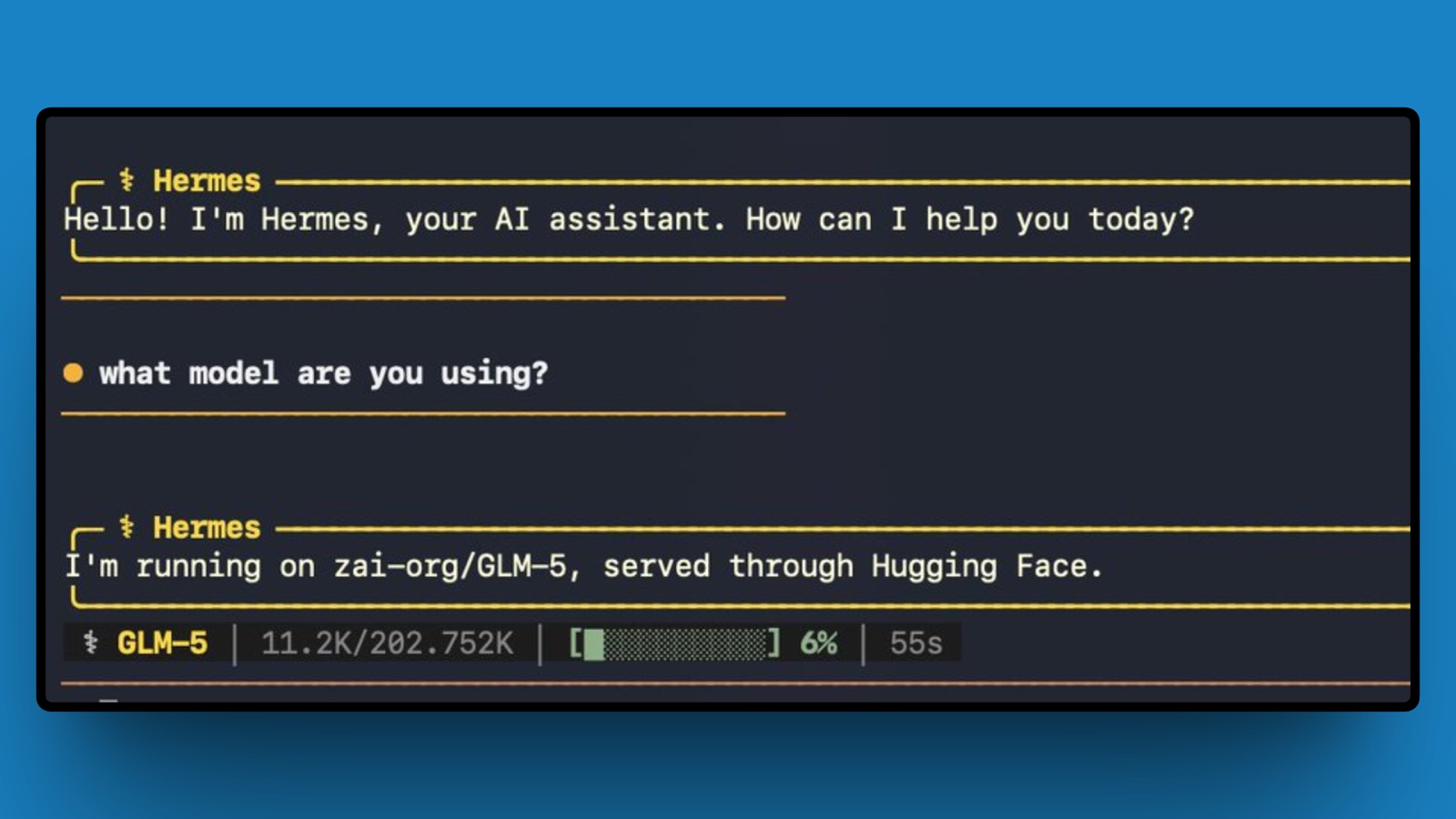
People didn't stop wanting an AI employee in their chat apps. They moved. The clearest winner is Hermes by Nous Research, an open-source agent that does the same job and publishes an official one-command migration tool for OpenClaw refugees. It went from launch to more than 235,000 GitHub stars in about half a year, per Star History, and Turing Post's June comparison had it serving more daily tokens than OpenClaw on OpenRouter, 224 billion a day against 186.
Mine is that Hermes. It lives in my Telegram, it remembers me, it runs my jobs on a schedule, and because it runs on open models, it costs me about one to two dollars a month. The most hyped software on the internet is dying, and the thing doing its job for me costs less than a kopi, the coffee that goes for a dollar or two at any hawker centre here in Singapore.
That's no accident, and it's the same lesson I wrote about when Fable 5 left Claude subscriptions and everyone's cost math changed in a week: whoever controls the model controls your bill. It's also why level three of AI adoption is called owning an agent, not renting one. Owning is the operative word, and it starts with the business memory you feed it, which stays yours no matter which model runs underneath.
So the question I keep coming back to is how much of your business is sitting on somebody else's switch. Because this thing had close to 400,000 fans, and it still didn't matter.
FAQ
Is OpenClaw dead?
No. The code updates daily under an independent foundation, and it sits just under 390,000 GitHub stars. What collapsed is attention and trust: search interest is down about 90 percent from its March 2026 peak after the subscription cutoff, a run of critical security flaws, and malware in its add-on store.
Who created OpenClaw?
Peter Steinberger, an Austrian developer who'd already built and sold a software company, shipped the first prototype as a side project in November 2025. It was called Clawdbot at first, then renamed twice in one January week after Anthropic complained the name sat too close to Claude, before settling on OpenClaw.
How many GitHub stars does OpenClaw have?
Just under 390,000 as of the most recent count. React took a decade to reach 250,000 stars, and OpenClaw passed that mark in about 60 days, overtaking the Linux kernel on the way, which is why star trackers call it the fastest-growing repository in GitHub history.
Did Anthropic kill OpenClaw?
Partly. Anthropic's 4 April change removed subscription coverage for third-party agents, which ended OpenClaw's free-ride economics with one day's notice, and five weeks later it brought agents back with capped credits. The security incidents did at least as much damage.
What are people using instead of OpenClaw?
Open-model agents. The fastest grower is Hermes by Nous Research, which offers an official one-command migration from OpenClaw and runs on open models, and that's what makes running costs of a few dollars a month possible.