AI video
The $2,000 NBA Finals Ad, and the Exact Prompt That Made It
A TV ad aired live during the NBA Finals for about $2,000, made by one person in two days with Gemini and Google's Veo 3. Here is the exact prompt and shot list he published, and how the process actually worked.
A TV ad aired live during the 2025 NBA Finals, and it cost about $2,000. One person made it, in two days, and he didn't hire a production company to do it. He used a chatbot to turn a rough script into a shot list, a Google video model to generate the footage, and then cut the whole thing together himself. When he was done, he posted the exact prompt behind it, for free, on X.
That's the whole shape of the story before you get into the details, and the details are why it's worth ten minutes of your time. The ad was for Kalshi, the prediction-market platform, and the person behind it is PJ Accetturo, a director who now runs an AI-native production studio called Genre. He'd already gotten quotes from real production companies for a spot like this. By his own account, those quotes sat in "the six or seven figure range", with timelines that didn't fit the NBA Finals calendar at all.
Here's the ad itself, and the thread where he published how he made it.
What actually happens in the ad?
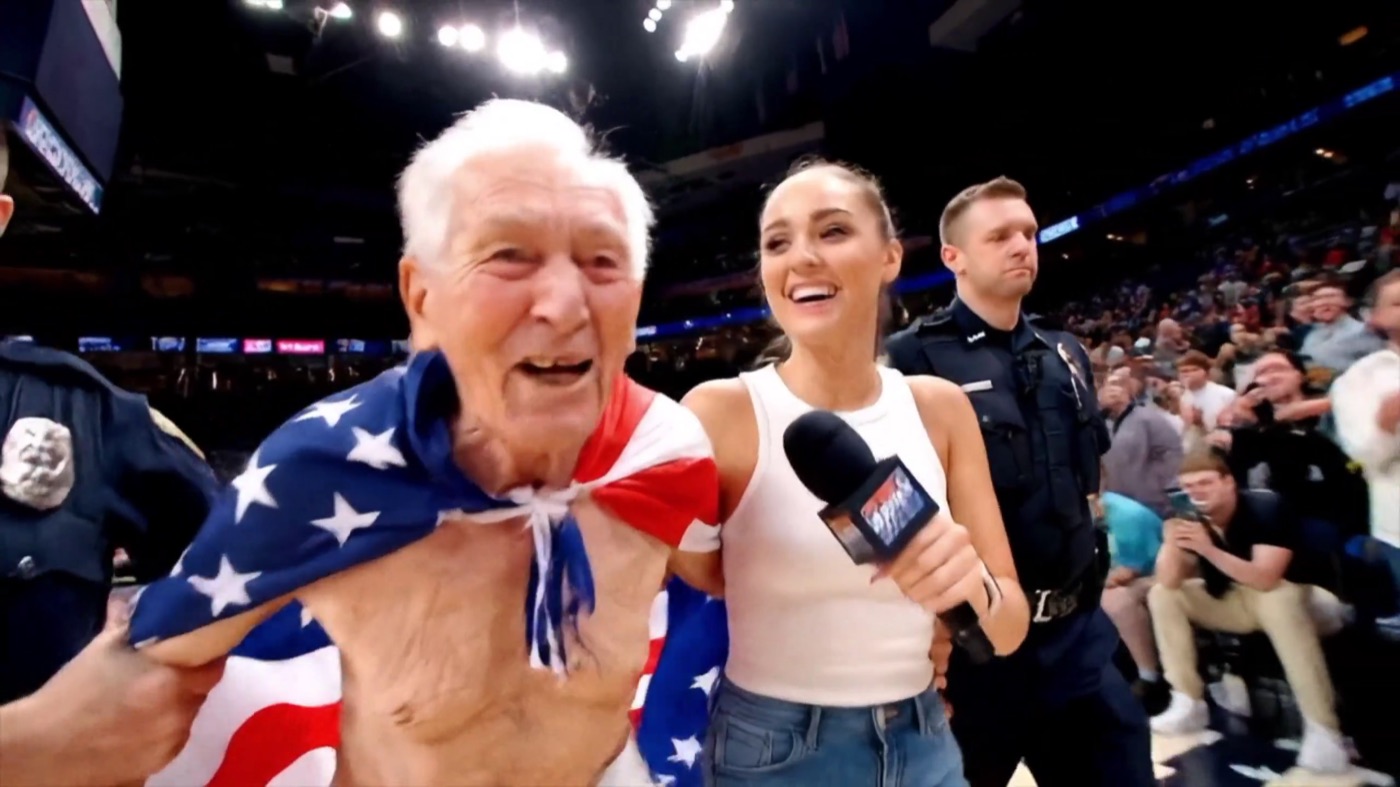
It opens on an old man wrapped in an American flag, screaming into a reporter's microphone while a police officer stands next to him on an NBA arena floor. A caption ticks up in the corner: "IND wins Championship? $1,000 → $1,173." That caption isn't decoration, it's the actual joke: every scene in the ad is staged as a Kalshi bet paying out in real time.
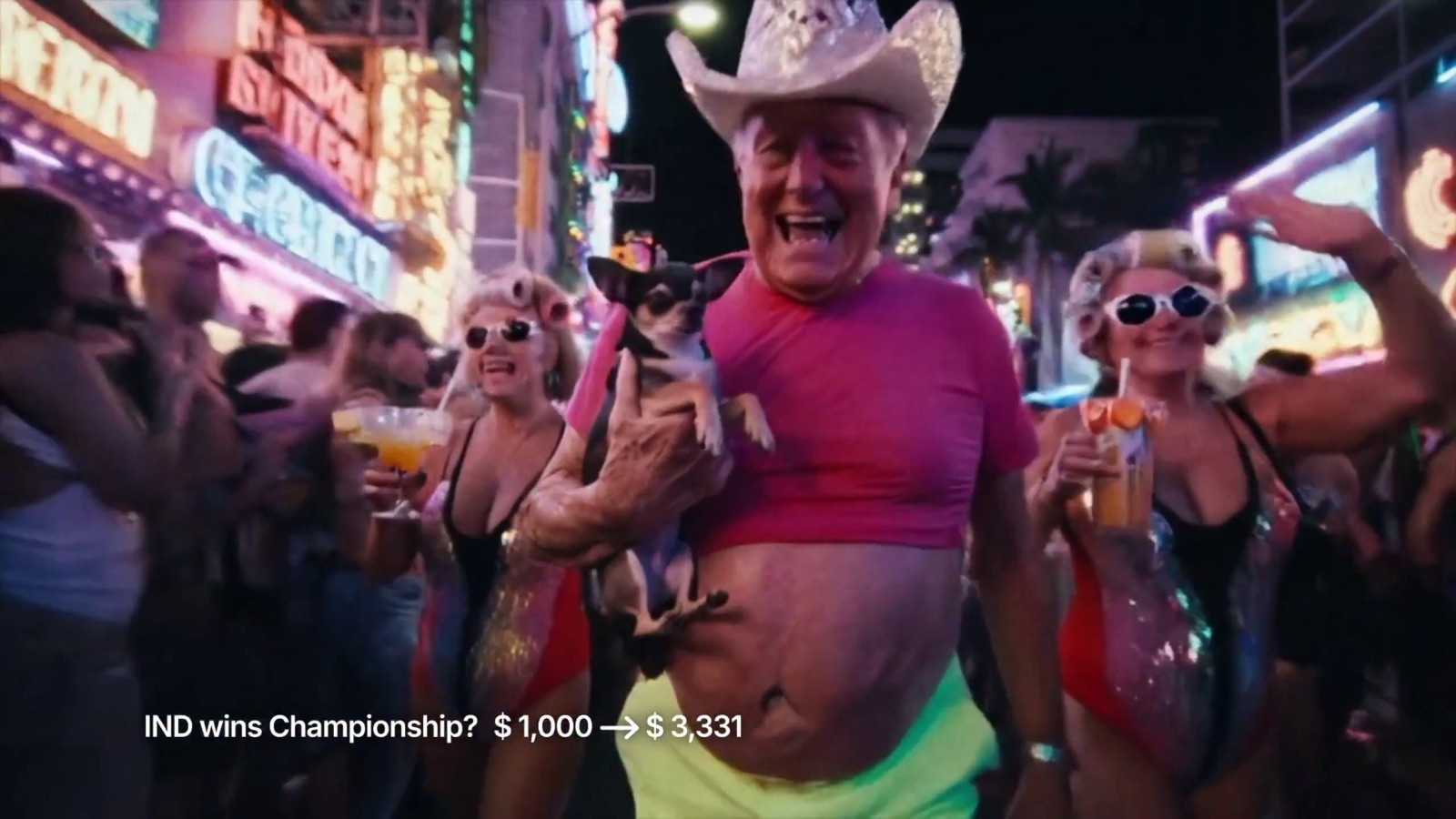
From there it just keeps escalating. Two elderly women stand in front of a rusted pickup truck with "FRESH MANATEE" painted on the tailgate, betting on Oklahoma City. A man in neon green shorts and a sequined cowboy hat struts down a neon-lit strip holding a trembling chihuahua, shouting "Indiana got that dog in 'em!" A reporter interviews a man neck-deep in a pool filled entirely with real eggs, betting on egg prices going up that month.
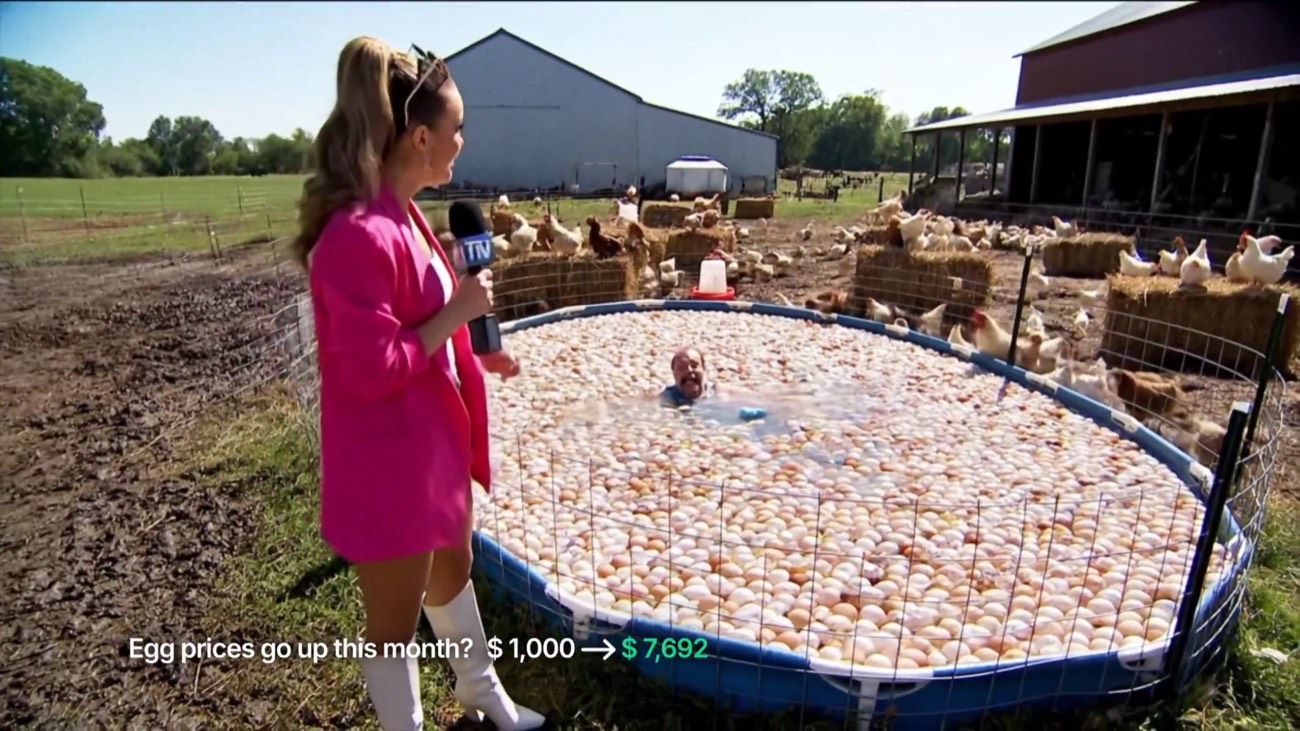
Nothing about any of this looks cheap, which is exactly why people did not believe the $2,000 figure when he first posted it.
How far did a $2,000 ad actually travel?
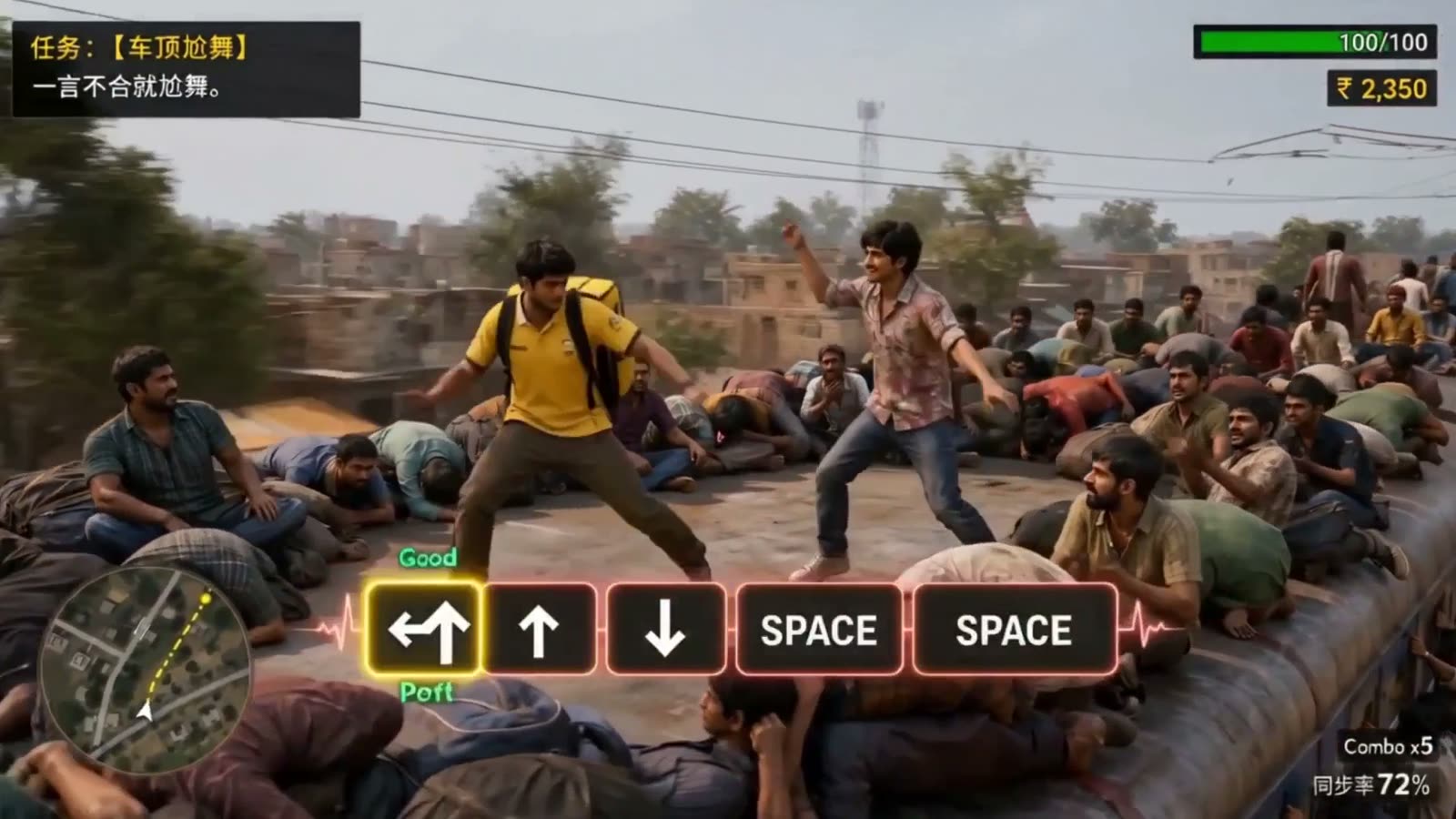
It aired on network television during the NBA Finals, which on its own made it the first fully AI-generated ad to run on a major network during a major sports championship. Once it hit social media on top of the broadcast, Accetturo says it reached close to 20 million impressions within 48 hours, a real audience for a spot that cost less than a used car. It isn't the only fully synthetic video that's fooled people at that kind of scale this year. I wrote up a similar case a few weeks ago, an AI-generated "India Simulator" game clip that pulled over 9 million views before anyone realised there wasn't a game behind it. Different maker, different platform, same shift underneath both.
How did he actually make it?
He laid the whole pipeline out himself, in four steps, in the same thread as the ad:
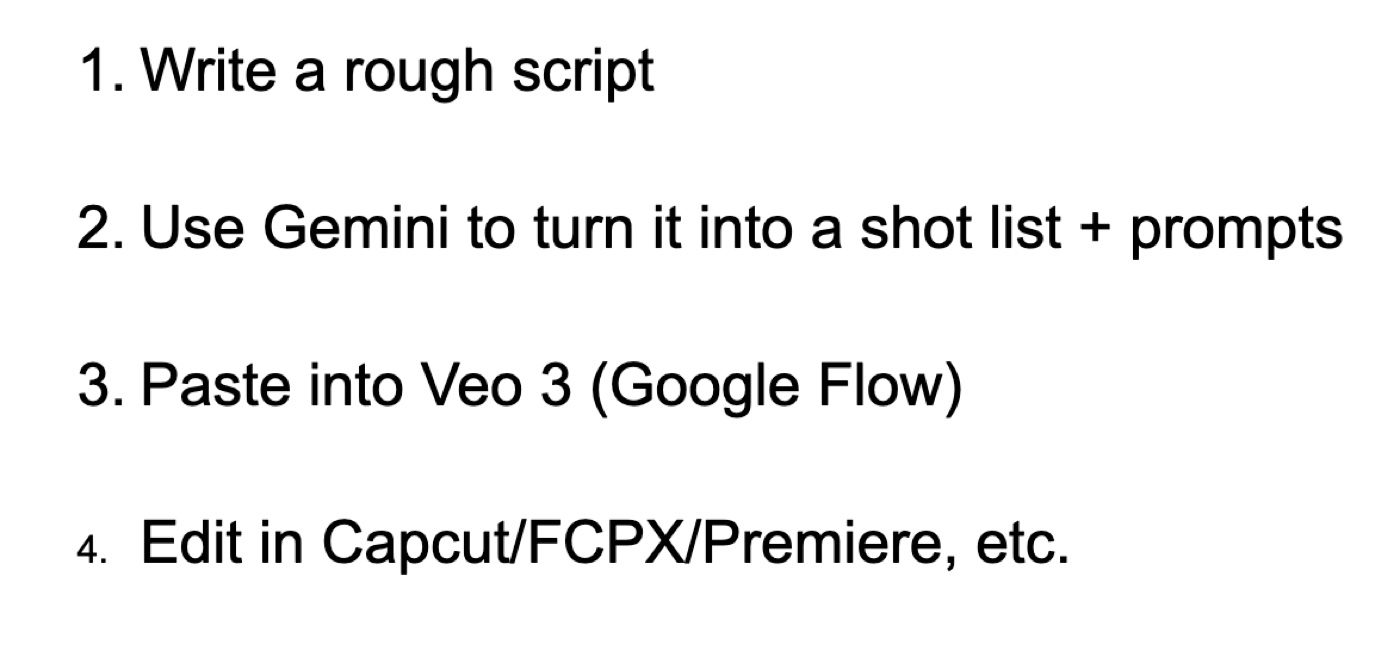
Step one was a rough script, built from a handful of dialogue lines Kalshi's team wanted in there. Step two, he handed that script to Google's Gemini and asked it to convert every shot into a fully self-contained Veo 3 prompt, five at a time, because output quality dropped once Gemini tried to return more than that in one go. Step three, each prompt went into Veo 3 through Google's Flow tool. Step four, he cut the results together himself, in whatever ordinary editing program he had open, no production house involved.
The part people skip over is how many attempts that third step took. It ran to 300 to 400 generations to land the 15 usable clips that made the final cut, by his own account, over two to three days. Kalshi's own team, asked separately by Yahoo, put the timeline at three days rather than two. Either way: one person, a laptop, a weekend, for an ad that beat six-figure production quotes to air.
Here's the prompt he published, with his shot list
This is the part the comment asked for, so here it is in full. Before he ever opened Veo 3, Accetturo wrote out a shot list pairing each character bet with what it should show:
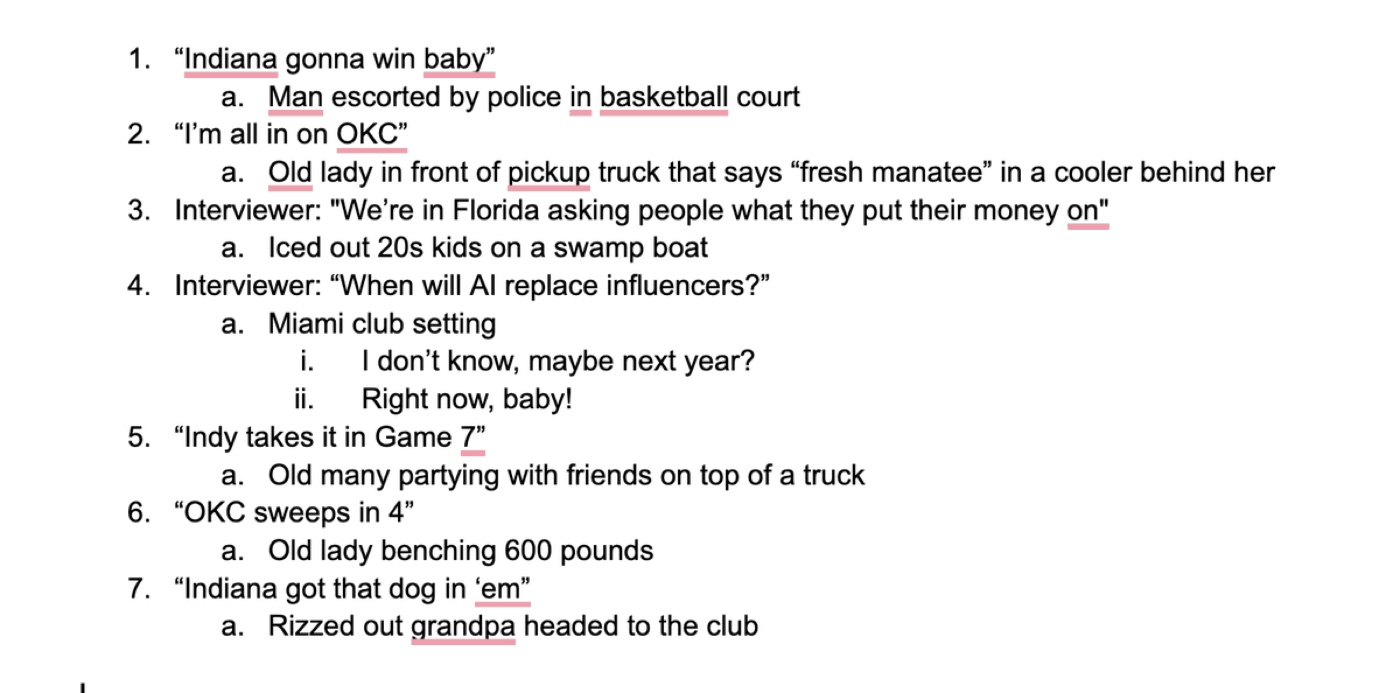
And here is the actual Veo 3 prompt he wrote for item 7, the pink-shirt chihuahua scene, quoted exactly as he posted it:
A handheld medium-wide shot, filmed like raw street footage on a crowded Miami strip at night. An old white man in his late 60s struts confidently down the sidewalk, surrounded by tourists and clubgoers. He's grinning from ear to ear, his belly proudly sticking out from a cropped pink T-shirt. He wears extremely short neon green shorts, white tube socks, beat-up sneakers, and a massive foam cowboy hat with sequins on it. His leathery tan skin glows under the neon lights.
In one hand, he clutches a tiny, trembling chihuahua to his chest like a prized accessory.
As he walks, he turns slightly toward the camera, still mid-strut, and shouts with full confidence and joy: "Indiana got that dog in 'em!"
Trailing just behind him are two elderly women in full 1980s gear, both wearing bedazzled workout leotards, chunky sneakers, and giant plastic sunglasses. Their hair is still in curlers under clear plastic shower caps. One sips from a giant novelty margarita glass, the other waves at passing cars.
Around them, the strip is buzzing, people filming with phones, scooters zipping by, music thumping from nearby balconies. Neon signs flicker above, casting electric color across the scene. The crowd parts around the trio, half amazed, half confused.
Credit: PJ Accetturo, @PJaccetturo, posted on X. Line that prompt up against the hero image at the top of this article and it's almost one for one, down to the sequined hat and the two women in curlers.
The part that actually got me
Run the maths on that third step and something interesting falls out. Veo 3 through Flow, in fast mode, cost about $0.20 a generation, so three to four hundred generations puts the raw compute under $100. So what's the other roughly $1,900 of that "$2,000 ad" actually paying for? Not the tool. It's his time and his taste, fifteen-plus years of knowing which of four hundred takes was the keeper. I've said something close to this before, about the pipeline my own AI runs to edit my reels: the tools got cheap enough that they stopped being the story. The judgment's still the whole job.
What this means if you're running ads in Singapore
I keep coming back to the four-step version of this, not the NBA Finals version. A script, a chatbot turning it into shot prompts, a video model, and someone willing to sit through a pile of bad generations to find the good ones. That's not a Hollywood workflow. It's closer to what I already tell people about where AI actually pays off in a small business, which I mapped out properly in the four levels of AI adoption. A local business here doesn't need an ad on national television. It needs one good thirty-second spot that would've cost a few thousand dollars and a week of back and forth with an agency, made instead over a weekend by someone patient enough to run the same prompt five times until it lands.
FAQ
How much did the Kalshi NBA Finals ad actually cost?
About $2,000. PJ Accetturo made the whole thing in two days (Kalshi's own team says three), against real production company quotes that sat in the six or seven figure range.
What tools did PJ Accetturo use to make the Kalshi ad?
He used Google's Gemini to turn a rough script into shot-by-shot Veo 3 prompts, five at a time, then Google's Veo 3 through the Flow tool to generate the footage, then cut the results together himself in an ordinary editing program like Capcut, FCPX, or Premiere.
How many AI video generations did it take to make the Kalshi ad?
It took 300 to 400 generations to land the 15 usable clips that made the final cut, over two to three days, by his own account.
How much of the $2,000 Kalshi ad budget was AI compute?
Under $100. Veo 3 through Flow in fast mode cost about $0.20 a generation, so three to four hundred generations put the raw compute under $100 of the roughly $2,000 total, with the rest paying for his time and the judgment to pick the right takes.
Why he gave the whole recipe away
I don't have much more to add on top of what he already put out there for free. The prompt's above, word for word. The shot list is above too. If you want to try the same four-step process on your own idea, that's genuinely the whole recipe, and what surprised me most was that the guy who made it just told everyone exactly how, so nobody has to guess.